IDP national study · take part
Generational Health in Slovenia
Help us examine informal care, family support and intergenerational assistance that official regional statistics do not yet capture sufficiently.
A data and research centre for understanding fertility, population ageing, migration, municipal differences and long-term projections for Slovenia.
Help us examine informal care, family support and intergenerational assistance that official regional statistics do not yet capture sufficiently.
A new analysis of young people’s life-course transitions in Slovenia and Europe, focusing on the gap between residential independence and first parenthood.
A research framework exploring how societies can maintain quality of life, social cohesion and institutional resilience in a period of long-term population decline and ageing.
A conceptual framework examining whether the classical 2.1 reference point remains sufficient in a Europe where a growing share of people never become parents.
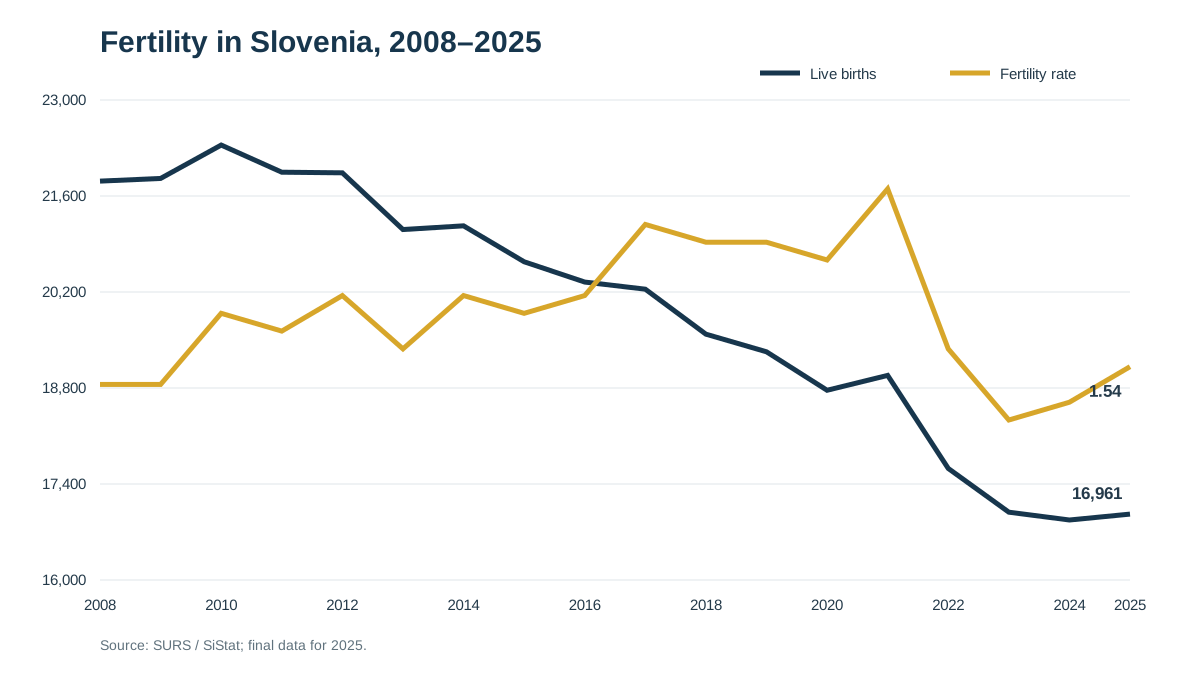
Fertility is one of the key indicators of Slovenia’s demographic future. Data for 2008–2025 show a long-term decline in the number of live births, while the total fertility rate remains below replacement level.
In 2008, 21,817 children were born in Slovenia; in 2025 the number was 16,961. The total fertility rate was 1.64 in 2021, 1.51 in 2023, 1.52 in 2024 and 1.54 in 2025.
Sources: SURS, Births 2025; SURS / SiStat; Demographic Data of Slovenia 2008–2024; IMAD, Fertility Indicators in Slovenia, 2024.
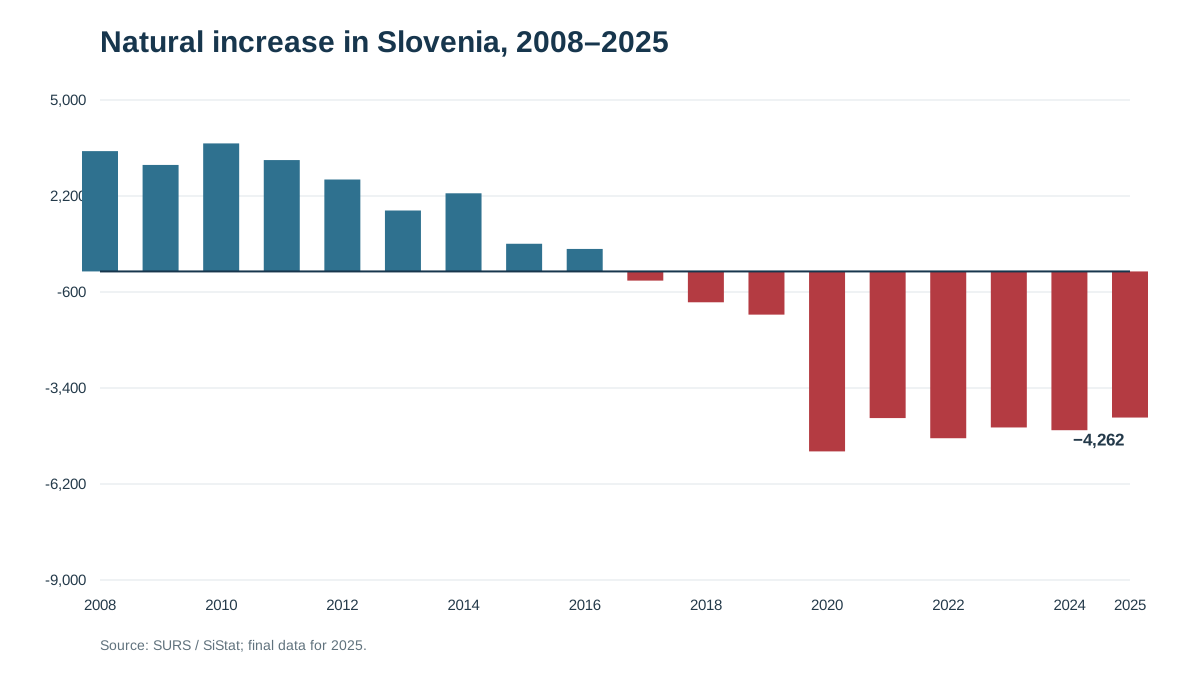
Natural increase is the difference between the number of live births and deaths. It shows whether a country’s population is renewing itself naturally or would shrink without migration.
After 2016, deaths began to exceed births. In 2025, natural increase was −4,262.
Sources: SURS, Demographic events 2025; SURS / SiStat, vital statistics 2008–2025; Great Compendium of Demographic Research and Data of Slovenia 2014–2024.
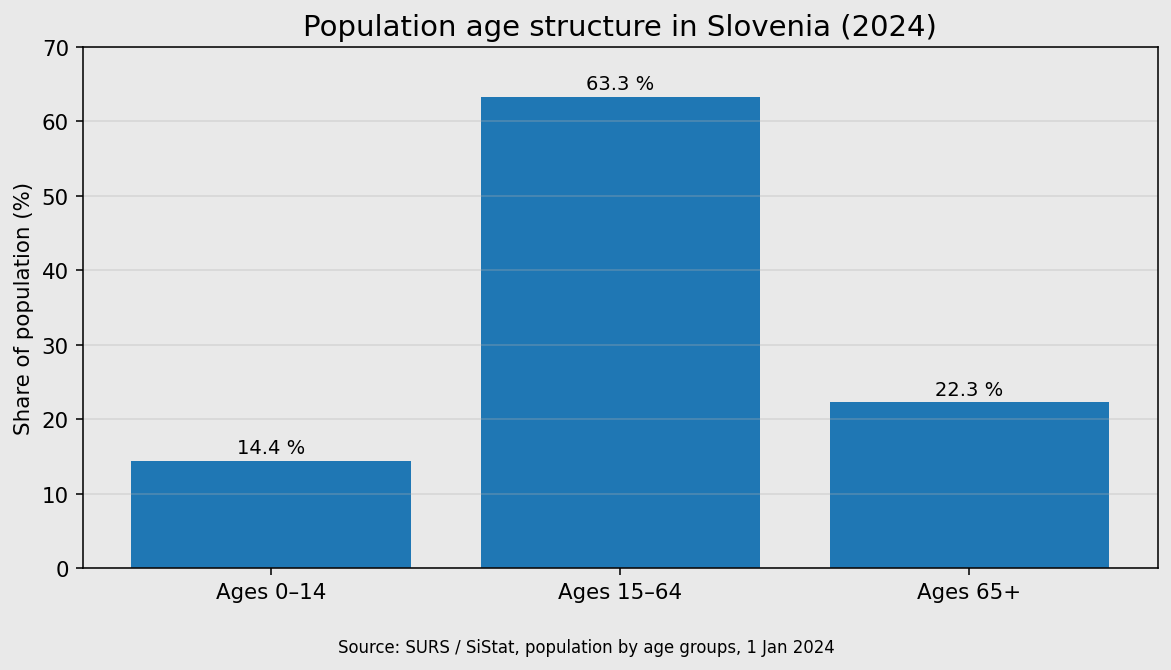
Population ageing is one of the strongest demographic trends in Slovenia. On 1 January 2026, Slovenia had 2,135,107 inhabitants, while its internal age structure continues to change.
The share of children remains low while the share of older people is rising. In 2024, around 22.3% of the population was aged 65 or older.
Sources: SURS, Population, 1 January 2026; SURS / SiStat; Great Compendium of Demographic Research and Data of Slovenia 2014–2024; IMAD.
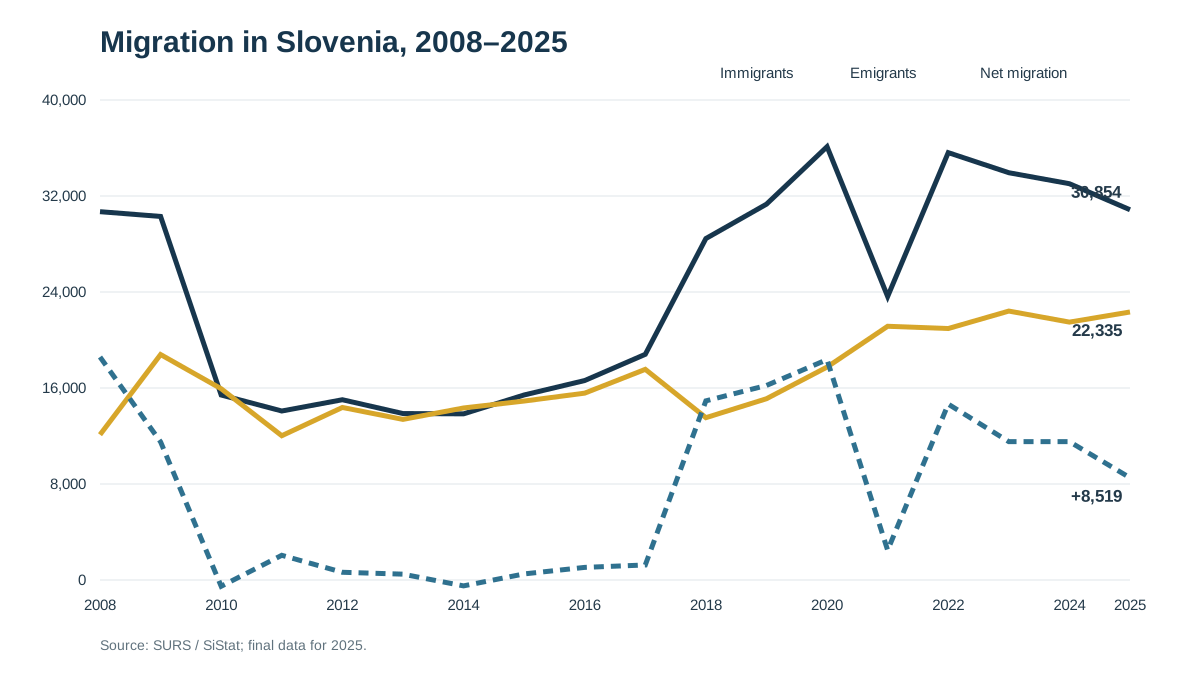
Migration has become one of the key factors shaping Slovenia’s demographic picture. Since natural increase has been mostly negative after 2016, total population numbers are increasingly sustained by a positive migration balance.
In 2025, 30,854 residents immigrated to Slovenia and 22,335 emigrated, resulting in net migration of +8,519.
Sources: SURS, Migration 2025; SURS / SiStat; Demographic Data of Slovenia 2008–2024; Great Compendium of Demographic Research and Data of Slovenia 2014–2024.
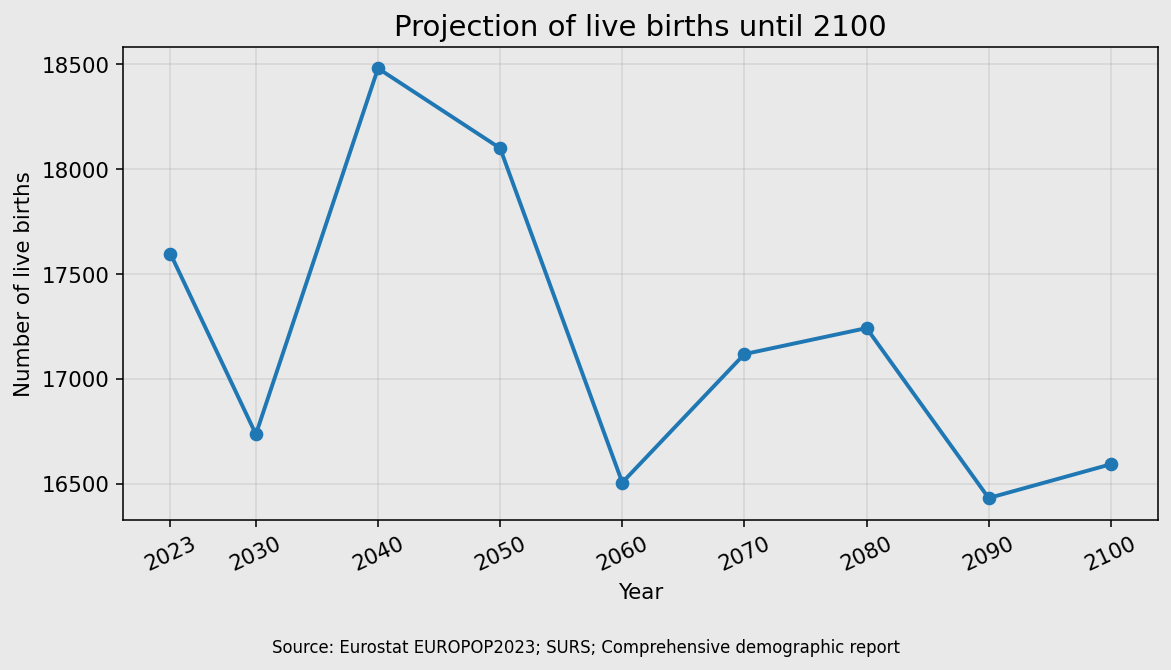
Long-term population projections show that Slovenia will continue to face low fertility, population ageing and growing pressure on the working-age population in the coming decades.
Under the EUROPOP2023 baseline scenario, Slovenia is projected to record approximately 16,735 live births in 2030, 18,098 in 2050 and around 16,592 by the end of the century.
Sources: Eurostat EUROPOP2023; SURS / SiStat; Great Compendium of Demographic Research and Data of Slovenia 2014–2024.
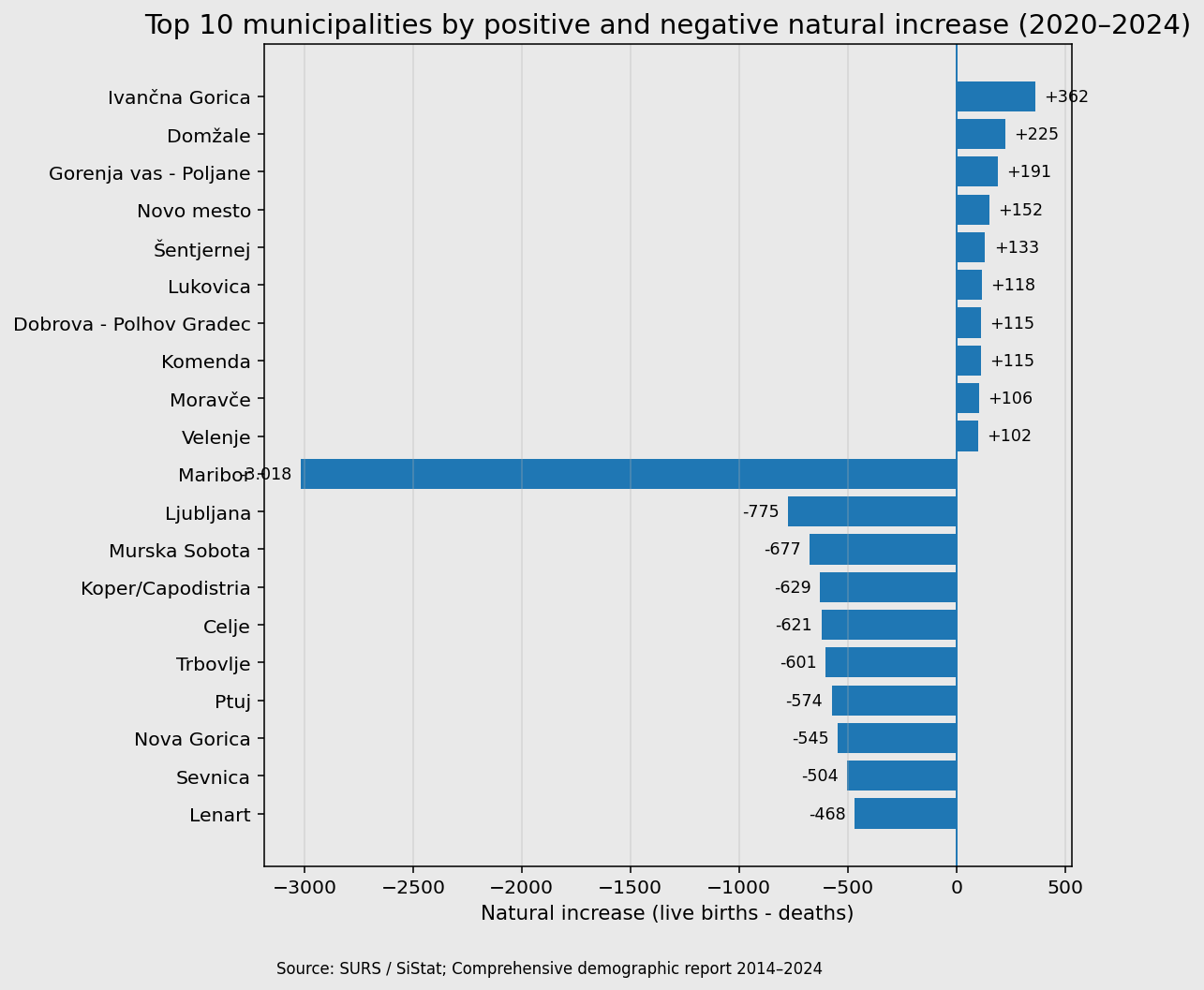
Municipal data reveal Slovenia’s demographic reality more precisely than national averages. Between 2020 and 2024 some municipalities recorded positive natural increase, while others saw a strong excess of deaths over births.
The highest positive natural increase was recorded in Ivančna Gorica, Domžale, Gorenja vas - Poljane, Novo mesto and Šentjernej.
Sources: SURS / SiStat, municipal vital statistics 2020–2024; Great Compendium of Demographic Research and Data of Slovenia 2014–2024.
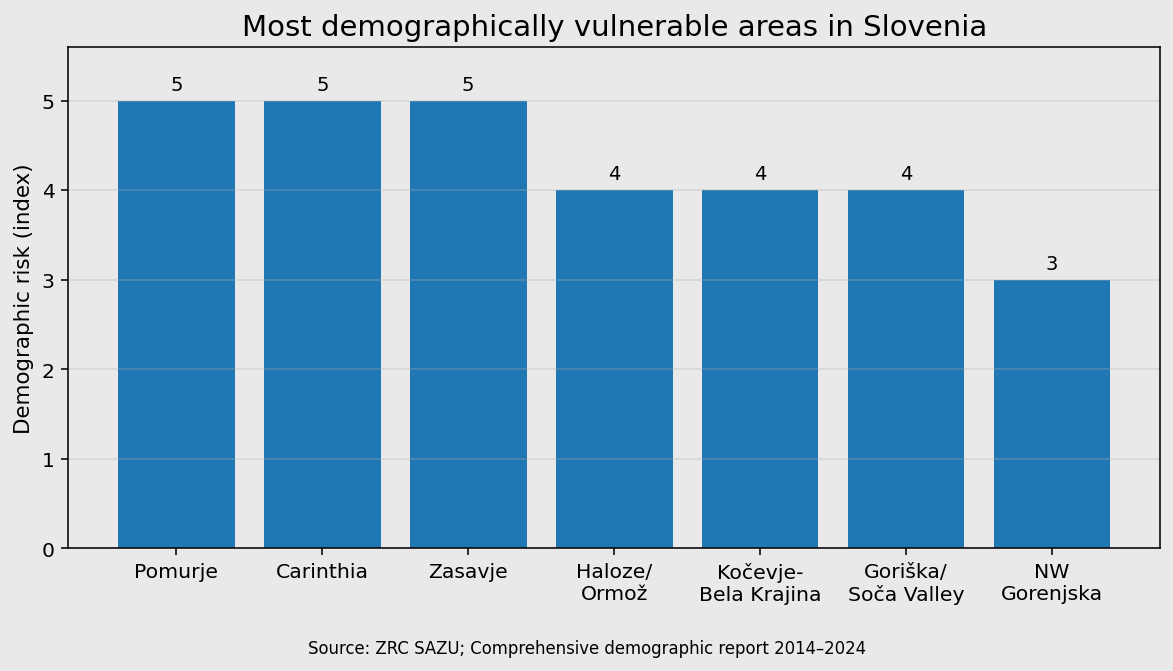
Slovenia’s demographic future is not the same in every region. Differences between urban centres, rural areas and border regions are becoming increasingly important.
ZRC SAZU analyses for 2018–2038 point to vulnerabilities in Pomurje, Koroška, Zasavje, Haloze and Ormož, and the Kočevje–Bela krajina area.
Sources: ZRC SAZU; Great Compendium of Demographic Research and Data of Slovenia 2014–2024; SURS / SiStat.
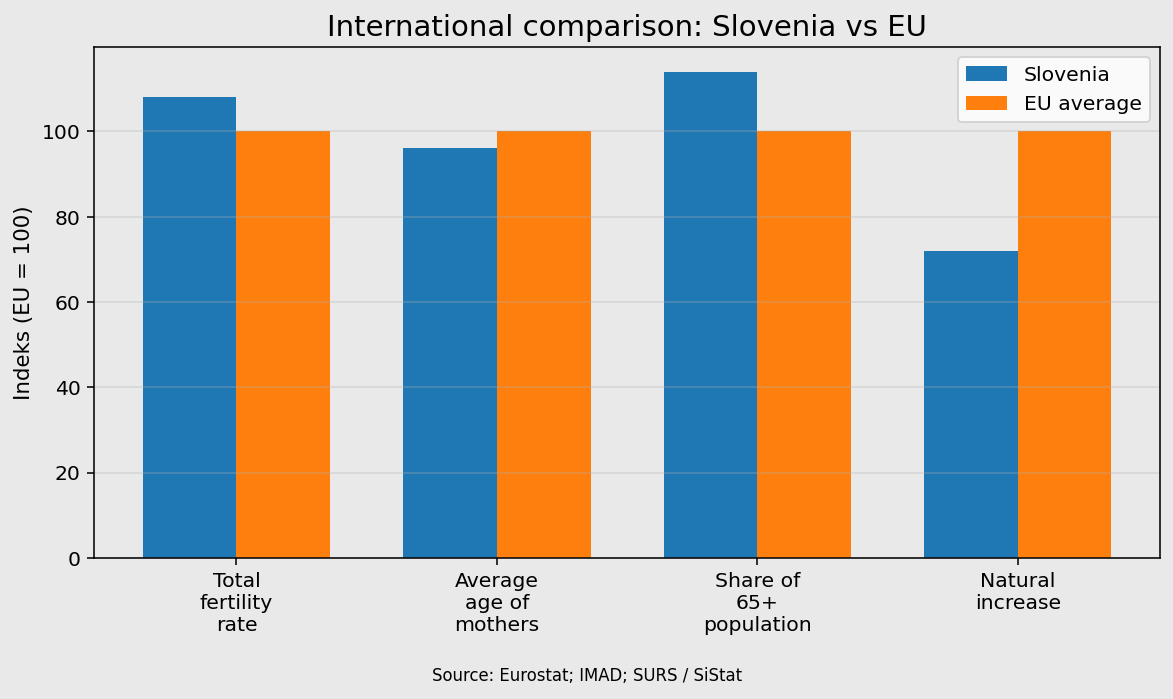
Slovenia’s demographic trends are part of broader European changes, but Slovenia has particular features that distinguish it from the EU average in some indicators.
IMAD notes that Slovenia’s total fertility rate has been slightly above the EU average in the last decade, while the number of women of reproductive age has been declining faster than in most EU Member States.
Sources: Eurostat; IMAD, Fertility Indicators in Slovenia; SURS / SiStat.
For transparency and easier source verification, this section brings together the key reports, data documents and analyses supporting the research part of the website.
The Institute connects demographic indicators with the broader social, developmental and regional context of Slovenia.
Review sources and methodology