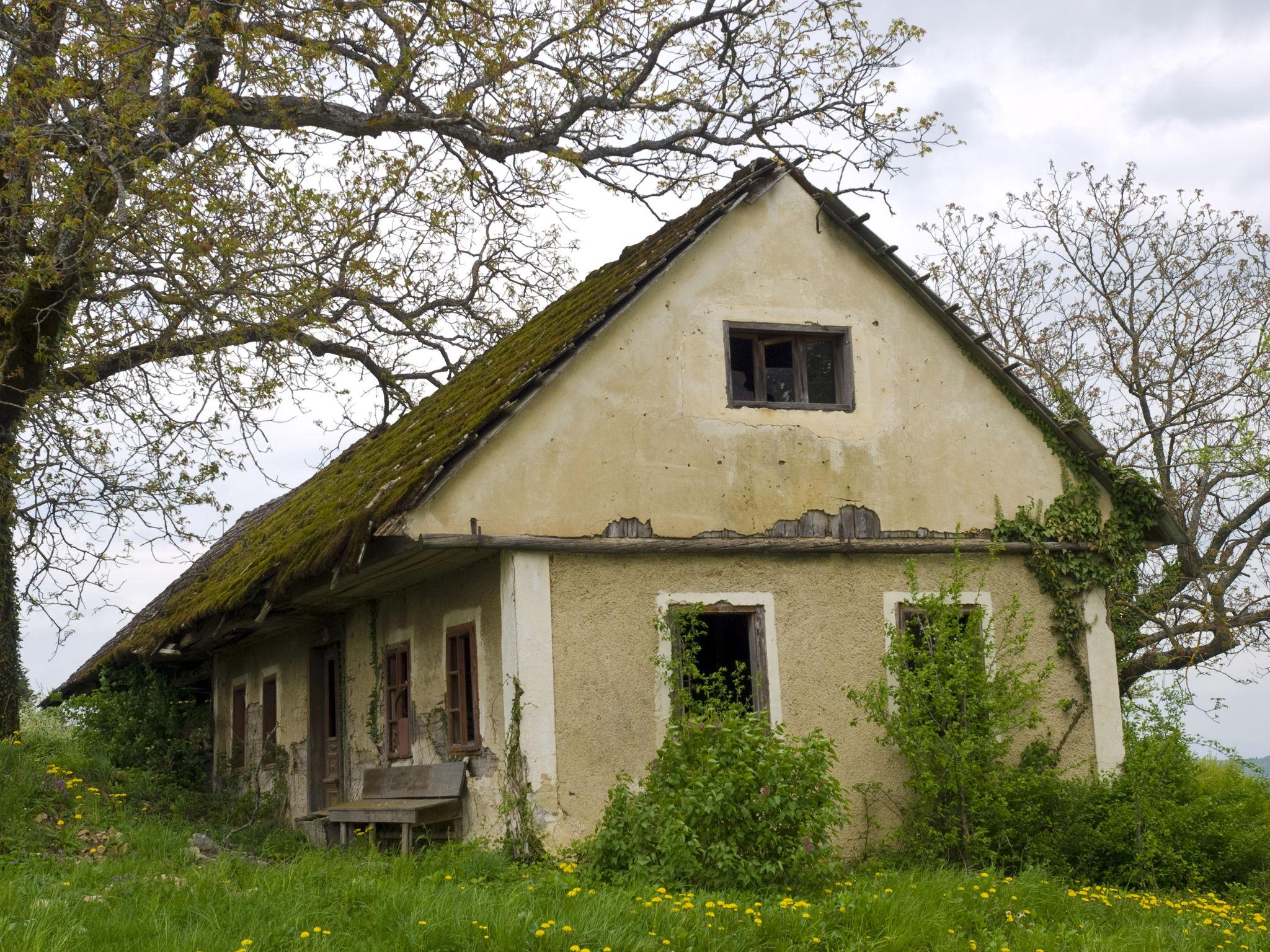
Uninhabited settlements are a warning sign of long-term spatial imbalance
The fact that Slovenia had 58 settlements without any residents at the beginning of 2026 is not merely a statistical curiosity. It is a clear signal that demographic change does not unfold evenly across space.
According to Dolenjski list and the Slovenian Press Agency, the highest number of uninhabited settlements was recorded in the municipality of Kočevje, with 16 such settlements, followed by Kostel with six. Almost half of all Slovenian settlements had fewer than 100 inhabitants.
Why does this matter?
Slovenia’s demographic future will not be shaped only in larger urban centres. It will also be shaped in small settlements, border areas, upland communities and municipalities where population decline quickly becomes a question of schools, care, mobility, housing and local economic resilience.
This development shows why Slovenia needs more precise municipal demographic projections and tools such as the Demographic Time Machine. Only when we understand where spatial depopulation is occurring can municipalities plan public services, housing policy, long-term care and development priorities in time.
From statistics to strategic planning
Uninhabited settlements should not remain a marginal statistical category. For public policy, they are an important signal that some parts of the country are facing a very different future from urban centres. This requires calm, data-based and long-term planning.
https://dolenjskilist.svet24.si/novice/najvec-naselij-brez-prebivalcev-v-kocevju-sledi-kostel-1906112