Tasmania as an early warning for ageing regions
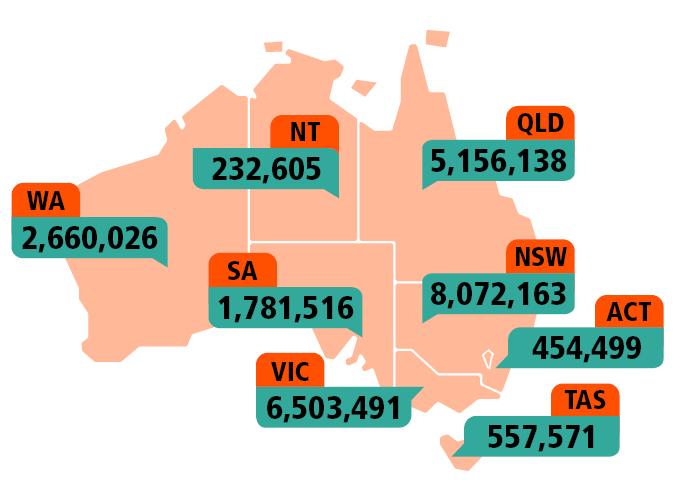
According to news.com.au, the Australian state of Tasmania is facing very low population growth, negative interstate migration and pronounced population ageing. In the year to September 2025, it recorded the lowest population growth of any Australian state or territory.
The Tasmanian case is relevant for Slovenia because it shows how quickly a region can become locked into a cycle of ageing, weak attraction of younger residents and rising demand for health, social and care services.
What can Slovenia learn from this?
Slovenia has its own demographic differences between urban centres, rural areas, border regions and ageing municipalities. Tasmania is therefore not a distant Australian story, but a reminder that regional demography must be addressed early.
When young people do not move to or remain in a region, when natural increase weakens and when the share of older residents grows, pressures accumulate across healthcare, long-term care, the local labour market, public transport, housing and municipal budgets.
Connection with the Demographic Time Machine
Examples such as Tasmania confirm the importance of forward-looking tools. The Demographic Time Machine can help municipalities understand how their age structure is likely to change over time and where future demand will emerge for services, adapted housing, care and local development measures.
https://www.news.com.au/finance/economy/australian-economy/this-problem-will-hit-the-australian-state-running-out-of-people-fast/news-story/5b50efc87d88a68ee129422af98ed044